Heavy Menstrual Bleeding: Causes, Symptoms & Treatment
 by admin-slG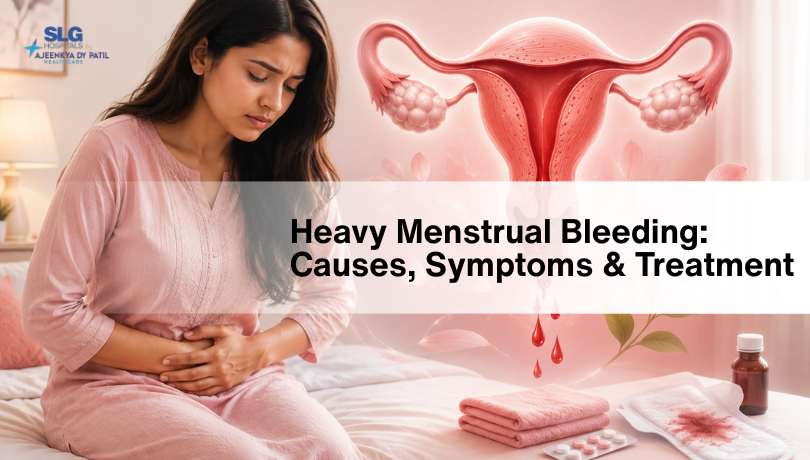
By Team SLG Hospitals by ADYP Healthcare
Have you ever wondered whether your periods are supposed to be this heavy?
You may be changing sanitary pads or tampons every hour, passing large blood clots, or constantly worrying about unexpected leaks. Many women carry extra sanitary pads wherever they go, check for the nearest restroom before leaving home, avoid wearing certain clothes, and sometimes even cancel important plans because their menstrual flow feels overwhelming.
Yet, despite how much it affects their daily lives, many never talk about it – not even with their doctor.
Heavy menstrual bleeding can affect your physical health, emotional well-being, energy levels, and overall quality of life. If your periods are unusually heavy or persistent, it’s important to consult the best gynecologist in Nizampet to identify the underlying cause and receive the right treatment.
In this blog, we’ll explore what heavy menstrual bleeding is, its common causes, warning signs, and the treatment options available.
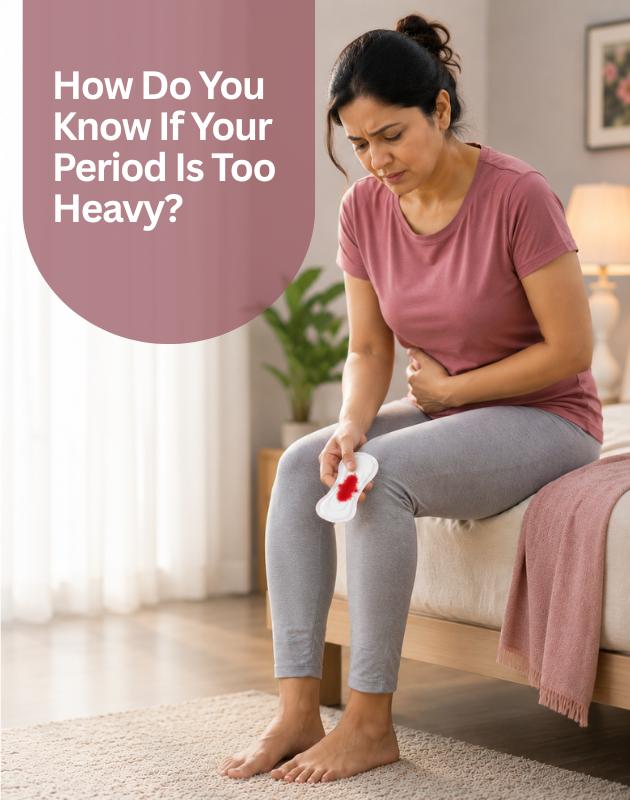
HOW DO YOU KNOW IF YOUR PERIOD IS TOO HEAVY?
Every woman’s menstrual cycle is different. However, menstrual bleeding or periods may be considered heavy if they regularly:
- Last longer than seven days
- Require changing a pad or tampon every one to two hours
- Involve passing large blood clots
- Require using two sanitary products at the same time for protection
- Cause you to wake up at night to change your pad or tampon
- Interfere with your daily routine, work, or social activities
Heavy menstrual bleeding, also known as Menorrhagia, is more than just an inconvenience. If left untreated, it can lead to anemia, fatigue, and reduced quality of life.
Remember, there is no single “normal” period. If your menstrual flow is significantly heavier than what is usual for you or begins affecting your daily life, it’s worth getting evaluated.
WHAT CAUSES HEAVY PERIODS?
Heavy periods can occur for several reasons, and identifying the underlying cause is essential for choosing the right treatment. Some of the most common causes include:
- Hormonal imbalances
- Uterine fibroids
- Endometrial polyps
- Adenomyosis
- Polycystic Ovary Syndrome (PCOS)
- Bleeding disorders
- Certain medications, including blood thinners
- Pregnancy-related complications in some cases
- Perimenopause and menopause-related hormonal changes
WHEN COULD A HEAVY PERIOD BE A SIGN OF SOMETHING MORE SERIOUS?
While heavy periods are often caused by hormonal changes or non-cancerous conditions such as fibroids or polyps, they can occasionally be a sign of a more serious underlying health problem.
Heavy menstrual bleeding may be caused by or associated with:
- Hormonal imbalances
- Uterine fibroids or endometrial polyps
- Adenomyosis
- Polycystic Ovary Syndrome (PCOS)
- Bleeding disorders
- Thyroid disorders
- Certain medications, such as blood thinners
- Pregnancy-related complications
- Precancerous changes of the uterine lining (endometrial hyperplasia) or, less commonly, endometrial (uterine) cancer
Although endometrial cancer is not a common cause of heavy periods in younger women, persistent heavy bleeding – especially if it occurs after the age of 40, between periods, or after menopause – should never be ignored. Early evaluation can help identify the cause and ensure prompt treatment if needed.
SYMPTOMS YOU SHOULDN’T IGNORE
Heavy menstrual bleeding isn’t just about the amount of blood loss. It may also be accompanied by other symptoms that deserve medical attention.
Watch for these warning signs:
- Bleeding through one or more pads or tampons every hour for several consecutive hours
- Passing blood clots larger than a coin
- Periods lasting longer than seven days
- Severe menstrual cramps
- Persistent fatigue, weakness, or shortness of breath
- Feeling dizzy or lightheaded during your period
CAN HEAVY MNESTRUAL BLEEDING LEAD TO ANEMIA?
Yes. Losing a large amount of blood every month can reduce your body’s iron stores and lead to iron-deficiency anemia. This may leave you feeling constantly tired, weak, dizzy, short of breath, or unable to concentrate. Treating the underlying cause of heavy periods is often the first step toward correcting anemia and restoring your energy levels.
TREATMENT OPTIONS FOR HEAVY MENSTRUAL BLEEDING
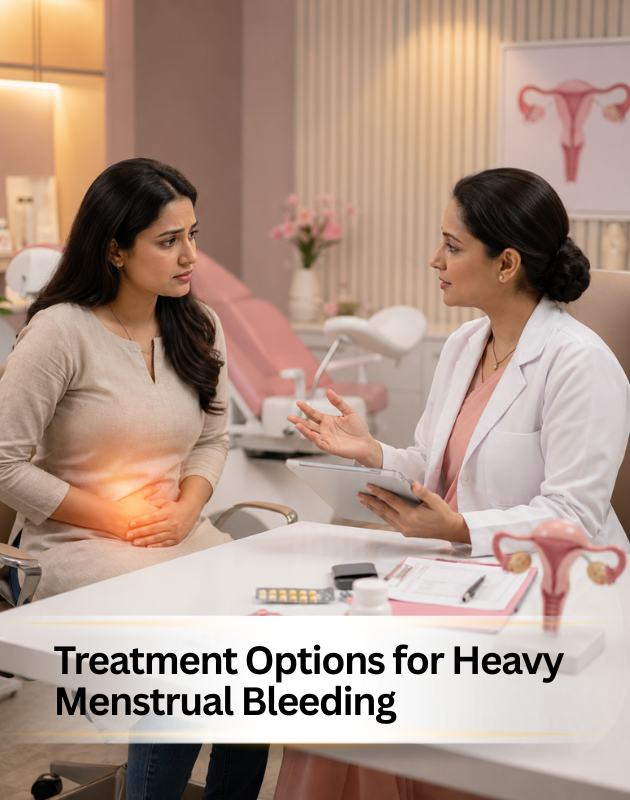
The good news is that most causes of heavy periods are treatable. Depending on the diagnosis, treatment may involve medication, hormonal therapy, minimally invasive procedures, or surgery. Treatment depends on the cause, your age, overall health, future pregnancy plans, and the severity of your symptoms.
Your doctor may recommend:
- Medications to regulate hormones or reduce menstrual bleeding
- Iron supplements if anemia is present
- Hormonal contraceptives, where appropriate
- Minimally invasive procedures to remove polyps or fibroids
- Surgical treatment for conditions that do not respond to conservative management
DON’T IGNORE HEAVY PERIODS
Heavy periods aren’t something you simply have to live with. They can occur at different stages of life, and while many causes are treatable, persistent or unusually heavy bleeding should never be ignored. Vaginal bleeding after menopause is always abnormal and requires prompt medical evaluation. At SLG Hospitals by Ajeenkya DY Patil Healthcare, our experienced gynecologists provide comprehensive evaluations, advanced diagnostic services, and personalized treatment for a wide range of women’s health conditions, including heavy menstrual bleeding. Whether your symptoms are caused by hormonal changes, fibroids, or other gynecological conditions, our team is committed to helping you receive the right care at the right time. If you’re looking for the best gynecologist in Nizampet, SLG Hospitals offers expert women’s healthcare focused on your comfort, well-being, and long-term health.