Ligament Injury vs Arthritis: How Do You Know the Difference?
 by admin-slG
Is Your Joint Pain Due to a Ligament Injury or Arthritis?
Joint pain can make everyday activities such as walking, climbing stairs, exercising or even getting up from a chair uncomfortable. But not all joint pain has the same cause.
Two common reasons for joint pain are ligament injuries and arthritis. Although both can cause pain, swelling and difficulty with movement, they affect the joint differently and may require different treatment approaches.
Understanding the difference can help you know when to seek evaluation from a joint pain specialist in Hyderabad.
What Is a Ligament Injury?
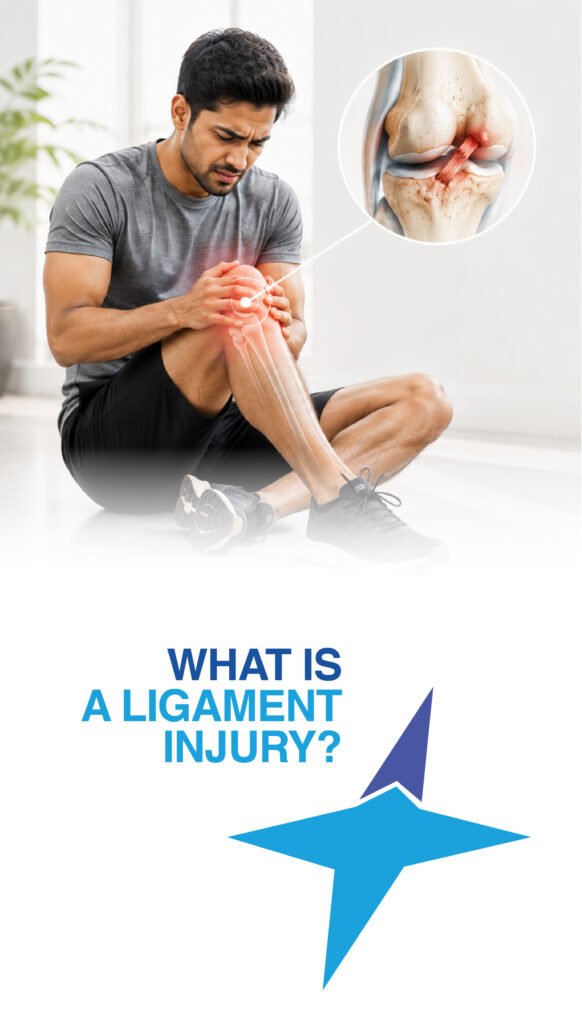
Ligaments are strong bands of tissue that connect one bone to another and help keep joints stable. A ligament can become stretched or torn due to a sudden twist, fall, sports injury or accident.
Ligament injuries commonly affect the:
- Knee
- Ankle
- Shoulder
- Wrist
In the knee, injuries involving ligaments such as the ACL are particularly common during sports and activities involving sudden changes in direction.
What Are the Symptoms of a Ligament Injury?
Symptoms often begin during or shortly after an injury.
Common signs include:
- Sudden joint pain
- Swelling
- Bruising
- Difficulty putting weight on the joint
- Reduced movement
- Feeling that the joint is unstable or “giving way”
- A popping sensation at the time of injury in some cases
The severity of symptoms depends on whether the ligament has been mildly stretched, partially torn or completely torn.

What Is Arthritis?
Arthritis refers to conditions that cause inflammation, pain or structural changes within a joint. Osteoarthritis is a common form and develops when the tissues within a joint, including cartilage, gradually change over time.
It commonly affects the:
- Knees
- Hips
- Hands
- Spine
Unlike many ligament injuries, arthritis often develops gradually rather than after one specific injury.
What Are the Common Symptoms of Arthritis?
Symptoms can vary, but commonly include:
- Joint pain
- Stiffness
- Swelling
- Reduced range of motion
- Difficulty with everyday activities
- Pain that worsens with certain movements or prolonged activity
Some people also experience stiffness after resting or when getting up in the morning.

Ligament Injury vs Arthritis: What’s the Difference?
While the symptoms can overlap, there are some important differences.
| Ligament Injury | Arthritis |
| Often follows an injury, twist, or fall | Often develops gradually |
| Pain may start suddenly | Pain may increase over time |
| Swelling can occur soon after injury | Swelling and stiffness may recur |
| Joint instability may be present | Joint stiffness and reduced mobility are common |
| Common after sports injuries or accidents | More common with ageing, previous joint damage and other risk factors |
However, symptoms alone cannot always determine the exact cause. A proper orthopaedic evaluation is important.
How Is the Cause of Joint Pain Diagnosed?
Your orthopaedic doctor will usually begin by asking about your symptoms, when the pain started, and whether there was a recent injury.
The evaluation may include:
Physical Examination
Your doctor may assess:
- Joint movement
- Swelling and tenderness
- Stability
- Muscle strength
- Range of motion
X-Ray
X-rays can help identify changes in the bones and joints and are commonly used when arthritis is suspected.
MRI Scan
An MRI provides detailed images of soft tissues and may be recommended when a ligament, cartilage, or other internal joint injury is suspected.
Not every patient requires an MRI. The appropriate investigation depends on the symptoms and clinical examination.
Can Ligament Injuries Be Treated Without Surgery?
Many ligament injuries can be managed without surgery, depending on the ligament involved, severity of the injury, joint stability and the patient’s activity level.
Treatment may include:
- Rest and activity modification
- Ice for acute swelling when appropriate
- Pain-relieving medicines as prescribed
- Physiotherapy
- Strengthening exercises
- Bracing or support
More severe ligament tears or persistent instability may require surgical treatment. An orthopaedic specialist can recommend the appropriate option after evaluation.
How Is Arthritis Treated?
Arthritis treatment depends on the affected joint, severity of symptoms and impact on daily activities.
Treatment may include:
- Weight management
- Activity modification
- Physiotherapy
- Strength and mobility exercises
- Pain-relieving medication
- Other medicines or injections when clinically appropriate
For advanced arthritis that significantly affects mobility and quality of life despite conservative treatment, surgical options such as joint replacement may be considered.
When Should You Consult an Orthopaedic Doctor?
Consider seeking medical attention if you experience:
- Persistent joint pain
- Significant swelling
- Difficulty walking
- Joint instability
- Inability to bear weight
- Reduced range of motion
- Pain following a fall or sports injury
- Joint pain that keeps returning or is getting worse
Early assessment can help identify whether the problem involves a ligament, cartilage, bone or another part of the joint.
Can a Previous Ligament Injury Lead to Arthritis?
A significant joint injury can increase the risk of developing osteoarthritis in the affected joint later in life. This does not mean that everyone with a ligament injury will develop arthritis.
Proper rehabilitation, maintaining muscle strength and following your doctor’s advice after an injury can help support long-term joint health.
How Can You Protect Your Joints?
A few everyday habits can help maintain joint health and reduce injury risk:
- Maintain a healthy body weight
- Exercise regularly
- Strengthen the muscles surrounding your joints
- Warm up before sports or strenuous exercise
- Use appropriate footwear
- Avoid suddenly increasing exercise intensity
- Don’t ignore persistent pain or instability
Why Choosing the Right Orthopedic Hospital Matters
Whether your joint pain started suddenly after an injury or has gradually become worse, getting the correct diagnosis is essential.
Choosing the Best Orthopedic Hospital in Hyderabad can provide access to comprehensive evaluation and treatment for ligament injuries, arthritis and other bone and joint conditions.
Orthopaedic care may include:
- Clinical joint evaluation
- X-ray and advanced imaging
- Sports injury management
- Fracture care
- Arthritis management
- Physiotherapy and rehabilitation
- Arthroscopic procedures
- Joint replacement when indicated
Frequently Asked Questions
How can I tell if my knee pain is from a ligament injury or arthritis?
Ligament pain commonly follows an injury and may be associated with swelling or instability, while arthritis often develops gradually with recurring pain and stiffness. A clinical examination is needed for an accurate diagnosis.
Do ligament injuries always require surgery?
No. Many ligament injuries can be treated with rest, rehabilitation, physiotherapy and other conservative measures. Surgery may be considered for certain severe injuries or persistent instability.
Does arthritis always require knee replacement?
No. Many people with arthritis can initially manage their symptoms with lifestyle changes, physiotherapy, exercise and medications. Joint replacement is generally considered when arthritis is advanced and significantly affects daily life despite other treatments.
Should I get an MRI for joint pain?
Not everyone with joint pain requires an MRI. Your doctor will determine whether an X-ray, MRI or another investigation is appropriate based on your symptoms and examination.
When should I see a joint pain specialist?
If your pain persists, repeatedly returns, limits your movement, follows an injury or is associated with significant swelling or instability, consult a joint pain specialist in Hyderabad for evaluation.
Conclusion
Ligament injuries and arthritis can both cause joint pain, but their causes, progression and treatment can be very different. Ligament injuries commonly occur after sudden trauma or twisting, while arthritis often develops gradually and can cause persistent pain, stiffness and reduced mobility.
Instead of assuming the cause or continuing to exercise through persistent pain, getting the joint properly evaluated can help determine the right treatment.
For persistent knee, joint, or sports-related pain, consult the Orthopaedics team at SLG Hospitals by Ajeenkya DY Patil Healthcare, a Best Orthopedic Hospital in Hyderabad, for appropriate diagnosis, treatment, and rehabilitation.