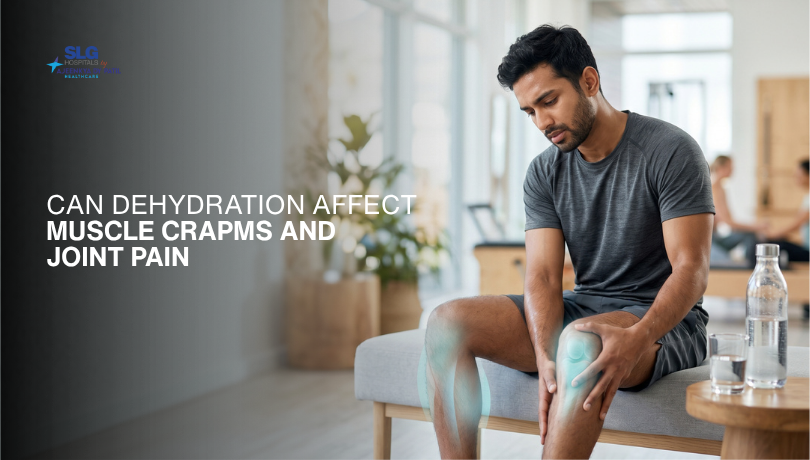
Have you ever experienced a sudden shooting pain from a muscle cramp for no obvious reason?
A sharp cramp in your calf while you’re resting.
A stiff knee when you get up from y our chair.
Or an ache in your joints that seems worse than usual.
Most people blame it on age, lack of physical activity, or that they may overstrained or overexerted themselves.
But sometimes, the real cause may be much simpler—and easier to overlook: dehydration.
WHAT DEHYDRATION ACTUALLY DOES TO YOUR BODY
Water does much more than quench your thirst. It plays an important role in keeping your muscles, joints, and the rest of your body functioning properly.
Specialists at SLG Hospitals by Ajeenkya DY Patil Healthcare, the best orthopedic hospital in Nizampet, explain that dehydration can impact the health of your muscles and joints in several ways:
• Your muscles lose essential electrolytes such as sodium, potassium, and magnesium, which help them contract and relax normally
• The tissues around your joints may not function as efficiently, leading to stiffness and discomfort
• Cartilage, which relies on water to help cushion and protect your joints, may become less effective at absorbing shock and supporting smooth movement.
The result?
Muscle cramps that seem to come out of nowhere, joints that feel stiffer than usual, and a body that’s working harder than it should.
DEHYDRATION – WHO IS MOST AT RISK?
Many people associate dehydration with strenuous exercise. In reality, even mild dehydration can affect your muscles and joints, especially during hot weather.
Anyone can become dehydrated, but the risk is higher for older adults, people who spend long hours outdoors, and those who lose fluids through excessive sweating.
Certain medical conditions can also increase the likelihood of dehydration, such as diabetes, kidney disorders, fever-related illnesses, and gastrointestinal conditions that cause vomiting or diarrhea.
The challenge is that dehydration can develop gradually, and by the time you feel thirsty, your body may already be running low on fluids.
COMMON SIGNS YOUR BODY IS ASKING FOR MORE WATER
• Frequent muscle cramps, especially in the legs and feet
• Fatigue that doesn’t improve with rest
• Dark-colored urine
• Headaches along with body aches
• Dizziness or light-headedness
• Increased joint stiffness, pain or discomfort
If these symptoms sound familiar, improving your hydration is a good place to start.
SIMPLE HABITS THAT CAN HELP
Staying well hydrated can help support healthy muscle function and reduce the likelihood of cramps caused by fluid and electrolyte loss.
Here are a few everyday habits that go a long way in protecting your muscles and joints:
• Drink water regularly throughout the day, especially during summer
• Include electrolyte-rich foods such as bananas, coconut water, and leafy greens in your diet
• Avoid excessive caffeine and alcohol, which can contribute to fluid loss
• Stretch regularly, particularly after long periods of sitting or standing
• Replace lost fluids after exercise or outdoor activities
WHEN IS IT MORE THAN JUST DEHYDRATION?
While dehydration can contribute to muscle cramps and joint discomfort, it’s not always the only cause.
Persistent or recurring aches may sometimes be linked to underlying orthopedic conditions such as:
• Arthritis
• Tendinitis
• Ligament injuries
• Early joint degeneration
These conditions can present with symptoms similar to dehydration and require proper medical evaluation.
If you’ve been putting off that persistent knee ache, recurring leg cramp, or ongoing joint stiffness, consulting specialists at the best orthopedic hospital in Nizampet can help identify the root cause and prevent the problem from worsening.
LISTEN TO WHAT YOUR BODY IS TELLING YOU
Muscle cramps and joint pain are often your body’s way of signaling that something needs attention.
Sometimes the solution may be as simple as improving your hydration. Other times, it may require a closer look at an underlying orthopedic issue.
If the pain keeps returning despite drinking enough water and making healthier lifestyle changes, don’t ignore it. Seeking timely care can help you get the right diagnosis and treatment before symptoms begin affecting your quality of life.
EXPERT ORTHOPEDIC CARE, RIGHT WHERE YOU NEED IT
At SLG Hospitals by Ajeenkya DY Patil Healthcare, orthopedic care is built around understanding each patient’s unique condition and treatment needs. Supported by experienced orthopedic specialists, advanced diagnostic facilities, modern treatment approaches, and dedicated rehabilitation services, patients receive comprehensive care at every stage of recovery. Trusted by families across Nizampet and Bachupally, SLG Hospitals combines clinical expertise, compassionate care, and state-of-the-art infrastructure—making it a preferred choice for those seeking the best orthopedic hospital in Nizampet.


 by admin-slG