MRI Vs CT Scan: Which Test Do You Really Need?
 by admin-slG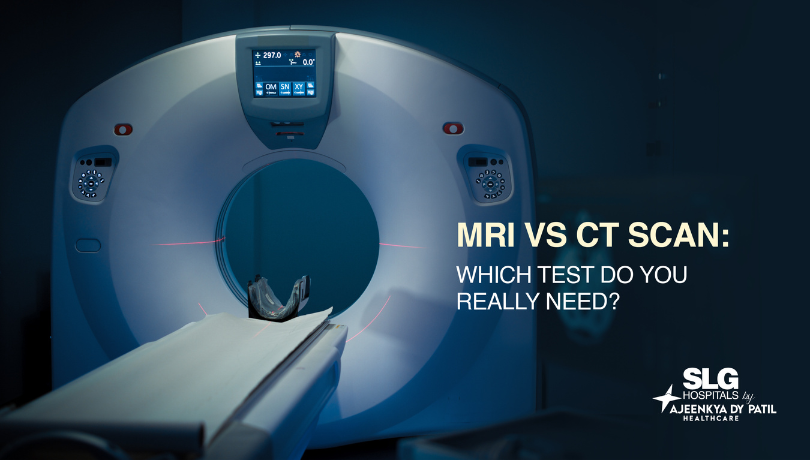
By Team SLG Hospitals by Ajeenkya DY Patil Healthcare
Has your doctor recommended an MRI or CT scan, leaving you wondering which one you need? Both tests create detailed images of the body, but they use different technologies and are suited to different medical questions.
A CT scan is often preferred when doctors need fast images of bones, lungs, blood vessels, or internal injuries. An MRI is generally better suited to detailed images of the brain, spinal cord, joints, nerves, and other soft tissues. Neither test is universally ‘better’ or ‘accurate’. The right choice depends on your symptoms, the area being examined, your medical history, and how urgently imaging is needed.
If you have been advised to undergo an imaging test, a trusted Diagnostic Scan Centre in Hyderabad can provide appropriate imaging, safety screening, and reporting.
WHAT IS A CT SCAN?
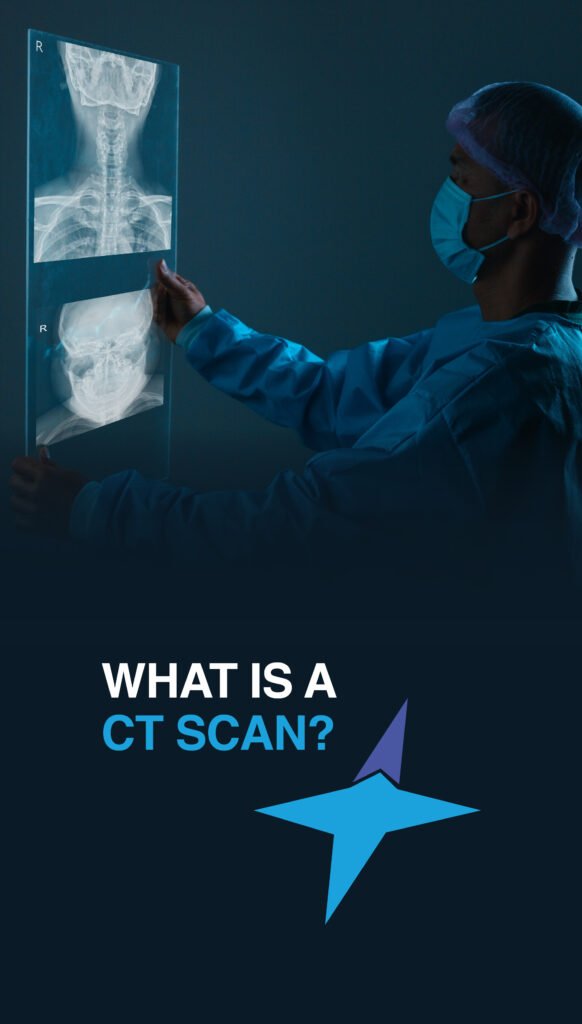
A Computed Tomography (CT) scan uses X-rays and computer processing to create cross-sectional images of the body. It is particularly useful when speed is important and is commonly used to assess:
- Bone fractures and complex injuries
- Head trauma and internal bleeding
- Chest and abdominal emergencies
- Lung conditions
- Kidney stones
- Blood vessel disorders
- Certain tumors and infections
WHAT IS AN MRI?
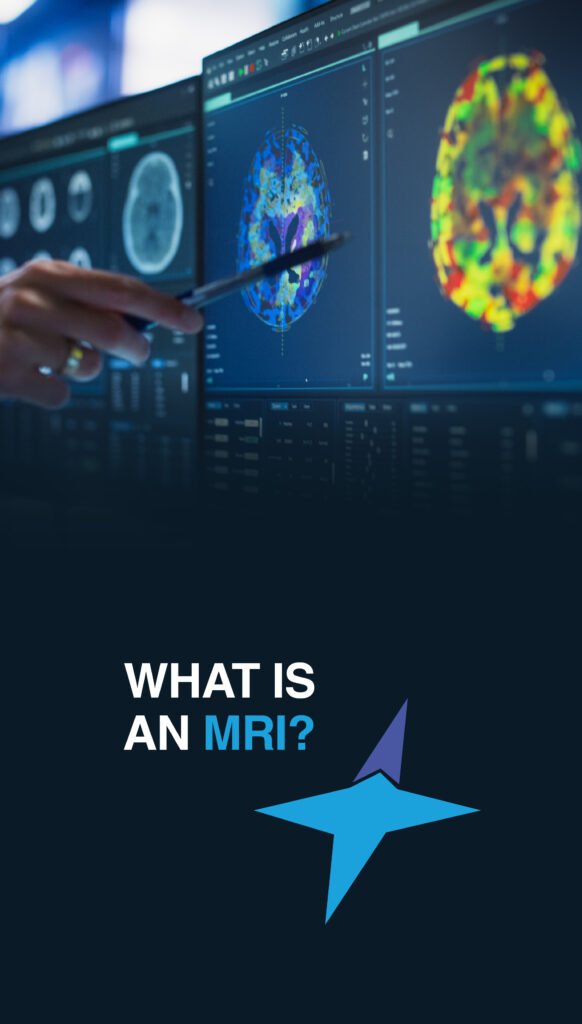
Magnetic Resonance Imaging (MRI) uses a powerful magnetic field and radio waves to create detailed images. Unlike CT, it does not use ionizing radiation.
MRI is especially useful for examining:
- The brain and spinal cord
- Nerves and the spinal canal
- Ligaments, tendons, muscles, and joints
- Certain tumors
- Inflammation and infection
- Other soft-tissue conditions
MRI VS CT SCAN: HOW ARE THEY DIFFERENT?
| Feature | CT Scan | MRI Scan |
| Technology | X-rays | Magnetic fields and radio waves |
| Radiation | Uses ionizing radiation | No ionizing radiation |
| Scan duration | Usually faster (about 10 minutes) | Usually takes longer (about 30–60 minutes) |
| Image detail | Excellent bone detail | Excellent soft-tissue detail |
| Commonly used for | Bones, lungs, trauma, bleeding, kidney stones | Brain, spinal cord, nerves, joints, and other soft tissues |
| Scanner | Short, open-ended scanner | Longer, more enclosed scanner |
| Implant concerns | Generally fewer restrictions | Requires detailed safety screening |
WHEN MIGHT YOU NEED A CT SCAN?
- Rapid imaging is needed, particularly after an accident or in an emergency
- Complex fractures need to be evaluated
- The chest or lungs need detailed imaging
- Kidney stones are suspected
- Acute bleeding needs to be identified
- MRI is not suitable because of a particular implant or other safety concern
WHEN MIGHT YOU NEED AN MRI?
- Persistent joint pain or suspected ligament damage
- Brain or spinal cord problems
- Disc, nerve, or spinal canal conditions
- Soft-tissue lesions or tumors
- Inflammation or infection
- Conditions where repeated imaging is needed and avoiding radiation is beneficial
CONTRAST AND PREPARATION: WHAT SHOULD YOU KNOW?
Contrast is a special substance used during some CT or MRI scans to make certain organs, blood vessels, or abnormalities easier to see. Not every scan requires contrast. Depending on the scan, you may be asked to fast, follow specific instructions about your regular medicines, or remove metal objects before an MRI. Before your scan, tell your doctor or imaging team if you have kidney problems, allergies, a previous reaction to contrast, or are pregnant or may be pregnant. Your imaging team will let you know if any other preparation is needed.
WHAT TO EXPECT DURING AND AFTER THE SCAN
DURING A CT SCAN:
You will lie on a table that moves through a ring-shaped scanner. The scan is usually quick and painless. You may be asked to hold your breath briefly while images are taken. If contrast is used, you may briefly experience a warm sensation or metallic taste.
DURING AN MRI:
You will lie on a table that slides into the scanner. The machine makes loud tapping or thumping sounds, so ear protection is usually provided. You will need to remain still during the scan to ensure clear images. Contrast may be given in some cases.
AFTER THE SCAN:
Most people can return to their usual activities soon after a CT or MRI unless they have been given sedation. If contrast was used, your healthcare team may give you specific instructions about what to do after the scan. A radiologist reviews the images and prepares a report for your referring doctor, who will explain the findings and next steps.
WHO NEEDS EXTRA MRI SAFETY SCREENING?
Because MRI uses a powerful magnetic field, tell the imaging team if you have any of the following:
- Pacemaker or other implanted heart device
- Cochlear implant
- Neurostimulator or medication pump
- Surgical clips, implants, or artificial joints
- Metal fragments or previous metalworking injuries
Having an implant does not automatically mean you cannot have an MRI. However, the exact device and its safety requirements must be checked before the scan, as some implants may be MRI-compatible only under specific conditions. Always provide complete information about any implants.
If you are pregnant, inform your doctor and the imaging team before the scan.
WHAT IF YOU ARE CLAUSTROPHOBIC?
MRI scanners can feel enclosed, and the machine can be loud. If you are uncomfortable in enclosed spaces, tell the imaging team beforehand. Ear protection, communication with the technologist, relaxation techniques, and other measures may help. Medication for anxiety may sometimes be considered when prescribed in advance.
CT scans are usually faster and less enclosed, so they may be more comfortable for people who are claustrophobic.
HOW DO DOCTORS DECIDE WHICH TEST YOU NEED?
Your doctor chooses between a CT scan and an MRI based on what they need to see and how urgently the imaging is required. They may consider:
- Your symptoms and likely diagnosis
- The body part and type of tissue being examined
- How quickly the results are needed
- Previous imaging and radiation exposure
- Implants, pregnancy, and other safety considerations
- Kidney function and whether contrast is appropriate
Doctors also weigh the potential benefits and risks of each test before recommending the most suitable option.
MRI OR CT: WHICH ONE IS RIGHT FOR YOU?
MRI and CT are valuable diagnostic tools, but each has its own strengths. CT is generally faster and particularly useful for trauma, bones, lungs, and acute bleeding. MRI is often preferred for detailed imaging of the brain, spinal cord, joints, nerves, and other soft tissues.
At SLG Hospitals by Ajeenkya DY Patil Healthcare, patients have access to experienced specialists, advanced diagnostic facilities, and coordinated care across multiple specialties. If you’re looking for a Diagnostic Scan Centre in Hyderabad or need an MRI and CT Scan in Hyderabad, our team focuses on appropriate imaging, careful safety screening, accurate reporting, and timely clinical guidance.